
How to Stay Consistent with Simple Wellness and Sef-Care Habits
Posted by Christian Gibbs on Aug 10th 2026
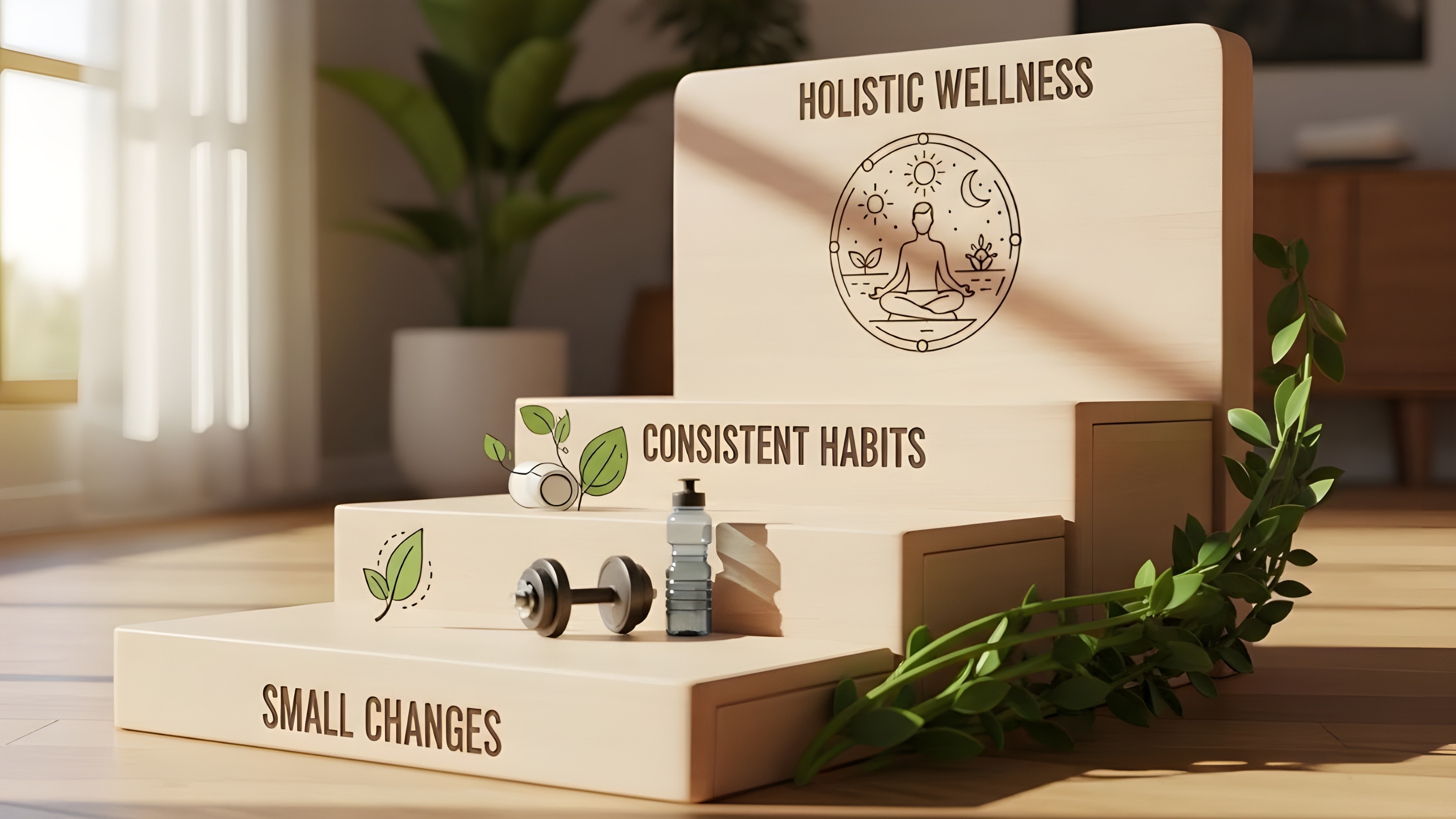
Busy parents, caregivers, and working adults who genuinely care about wellness often hit the same wall: beginner wellness goals start strong, then quietly fade. It’s rarely laziness, wellness motivation barriers like decision fatigue, all-or-nothing thinking, and unpredictable schedules make maintaining healthy habits feel like one more job. Add the pressure to “do self-care right,” and even small wellness and self-care goal struggles can snowball into self-care consistency challenges that drain confidence. A simpler, steadier approach can make wellness feel doable again.
Turn Small Wellness Goals Into a Simple Weekly Plan
This process helps you pick one or two wellness goals, turn them into realistic objectives, and map them onto your actual week. It matters because a simple plan is easier to repeat when life gets busy, which is what consistency is made of.
- Choose one “why” and one tiny focus
Start by naming what you want more of this month: calmer mornings, better energy, less tension, or steadier mood. Then pick one small focus that supports it, like a short walk, a calmer bedtime, or a 5-minute reset. You are aiming for clarity, not perfection. - Set a minimum you can do on your worst day
Write a goal you could still complete when you are tired, late, or interrupted, such as “walk 10 minutes” or “stretch for 3 minutes.” Connecting your plan to everyday actions keeps it grounded in real life, not a fantasy schedule. If it feels almost too easy, you are on the right track. - Pick a trigger and a time window
Attach your habit to something that already happens, like after school drop-off, right after lunch, or after your first cup of coffee. Choose a flexible window, such as “anytime between 7 and 10 p.m.,” so one disruption does not cancel the whole day. This reduces decision fatigue because you are not re-planning from scratch. - Build a two-option plan: Plan A and Plan B
Plan A is your full version on normal days, and Plan B is your short version when things get messy. Include self-care that supports your needs, since develop self-care strategies can help you reduce your stressors and stay connected to people who refill your cup. This keeps consistency alive even when your schedule is not. - Review weekly, then adjust one lever
Once a week, look back and ask: What made this easier, and what got in the way? Adjust only one lever at a time, like making it shorter, moving it earlier, or pairing it with a stronger trigger. Small tweaks protect your confidence and make the habit more natural.
Borrow a Growth Mindset From Stories That Keep You Going
Once you’ve sketched a simple weekly plan, it helps to fill your mind with reminders that change happens through small, repeatable efforts. Listening to inspiring podcasts can reinforce healthy habits because you’re regularly hearing motivation, practical self-care tips, and the kind of accountability that nudges you to keep showing up, especially on the days your energy dips. A good story can normalize setbacks (“of course this feels hard”) while still pointing you back to what’s workable right now.
If you want a real-life example, the Phoenix podcast shares stories and practical insights from alumni who transformed their lives through learning, often with the honest details about what they tried, what didn’t stick at first, and what helped them keep going. For listeners considering their own path to success, those lived experiences can feel like encouragement and advice rolled into one. With that mindset boost in place, it’s easier to build momentum with a few tiny daily and weekly habits you can actually repeat.
Daily and Weekly Habits That Keep You Consistent
Consistency comes from making self-care easy to repeat, even on busy days. Pick a few habits that feel “almost too simple,” then let the regularity build trust in yourself over time.
Two-Minute Morning Check-In
- What it is: Name your energy level and choose one doable self-care action.
- How often: Daily
- Why it helps: It reduces decision fatigue and keeps your plan realistic.
Walk and Move Appointment
- What it is: Schedule movement toward 150 minutes of moderate exercise across the week.
- How often: Weekly
- Why it helps: A calendar cue turns “someday” into a repeatable routine.
Water Anchor Habit
- What it is: Drink a full glass of water before coffee, errands, or school drop-off.
- How often: Daily
- Why it helps: It supports steady energy and a simple health baseline.
Two-Choice Meals and Snacks
- What it is: Offer two or three healthy options at meals and snacks.
- How often: Daily
- Why it helps: It lowers mealtime battles and keeps nutrition consistent.
Evening Reset Routine
- What it is: Tidy one surface, stretch for two minutes, and set out tomorrow’s essentials.
- How often: Daily
- Why it helps: It makes the next day smoother and signals your brain to wind down.
Self-Care Consistency: Common Questions Answered
Q: How do I know if small self-care habits are “working”?
A: Look for quiet wins like steadier energy, fewer afternoon crashes, or smoother mornings. Pick one simple signal to track for two weeks, such as bedtime consistency or mood. If the habit feels easier to repeat, that is progress too.
Q: How can I track progress without getting obsessive?
A: Use a “done or not” check mark, not detailed metrics. Give yourself a two-minute weekly review: what helped, what got in the way, what to simplify. It can also help to remember tracking their sleep is increasingly common, but tracking should support you, not pressure you.
Q: What accountability actually fits a busy life?
A: Choose the lightest option you will still do, like texting a friend “walk complete” or setting one recurring calendar reminder. Pair support with convenience since in-person and digital wellness can boost engagement.
Q: What should I do after I miss a day or fall off for a week?
A: Treat it like a reset, not a failure. Restart with the smallest version for three days, then build back up. Focus on returning quickly, not catching up.
Q: When should I change a habit instead of pushing through?
A: Change it when it regularly creates stress, conflict, or requires perfect conditions. Shrink the habit, move it to a different time, or swap it for something you enjoy more. Consistency should feel supportive, not like another job.
Staying Consistent With Simple Self-Care for Long-Term Wellness
It’s easy to want proof fast, then feel discouraged when real life bumps the routine and progress looks messy. A positive mindset for self-care, focused on patience with health goals, gentle tracking, and returning without drama, supports a long-term wellness commitment that can survive busy seasons. Over time, that steadier approach builds confidence, keeps setbacks small, and helps in sustaining healthy habits without turning self-care into another job. Consistency comes from returning kindly, not from never slipping.